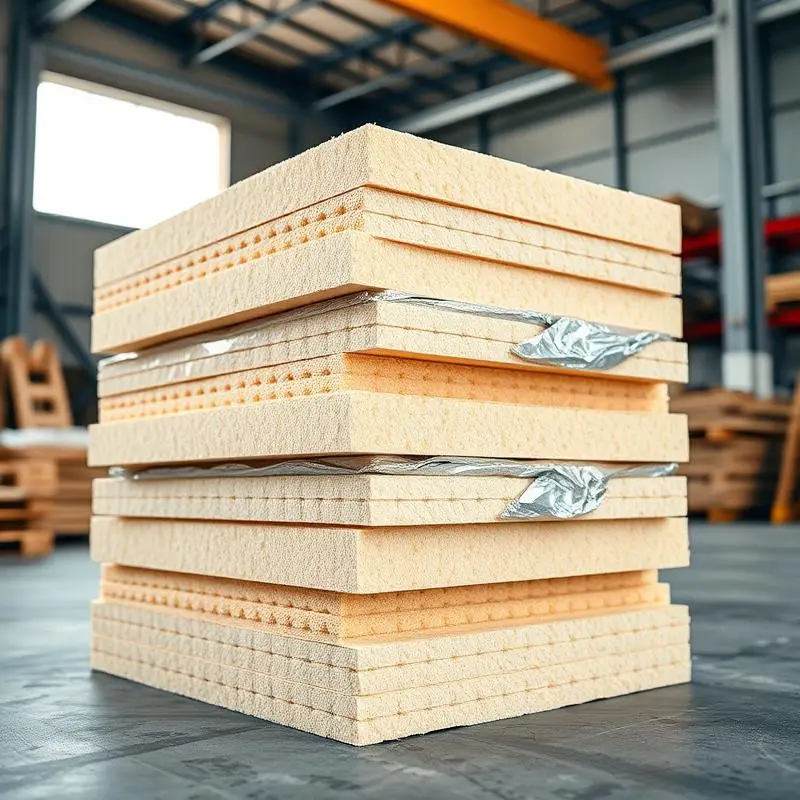
Rigid Insulation Boards: options, durability, and energy performance
Explore versatile rigid insulation board options, balancing fire safety with energy efficiency, and learn how to select adaptable, durable boards in sizes 2x8 and 4x8 for varied construction needs.

Understanding Your Insulation Options

Rigid insulation boards offer a durable, high-performance solution for walls, roofs, and foundations. They provide continuous insulation that helps reduce thermal bridging, improve energy efficiency, and support building envelope performance. In practice, you’ll evaluate board types, thickness, and material composition to match climate, budget, and fire-safety requirements. Start by mapping your project’s thermal resistance goals and selecting boards that meet local codes while staying within budget.

Balancing Fire Safety and Energy Efficiency in Construction

Fire safety and energy performance must work in tandem. Rigid boards come with various facings and formulations that influence fire ratings, smoke development, and ignition resistance. Simultaneously, the boards’ insulating value determines the overall energy performance of the building envelope. Choose materials certified for fire performance and optimize installation to maintain continuous insulation without gaps. Collaborate with code officials early to ensure compliance and peace of mind.

Transform Your Energy Efficiency

Implementing rigid insulation boards can markedly reduce heating and cooling loads, improve comfort, and lower operating costs. A well-designed system minimizes thermal bridges at edges and penetrations, delivering steady interior temperatures and faster project timelines due to fewer field adjustments. By selecting boards with stable dimensional properties and moisture resistance, you ensure long-term performance and reduced maintenance.

The Complete Guide to Rigid Insulation Boards

This guide covers board types, installation methods, and performance metrics. It explains how to interpret R-values, thermal resistance, and moisture management. It also outlines cut patterns, joint detailing, and compatible accessories to create a continuous, airtight envelope. Whether you’re retrofitting an existing building or starting a new project, the guide helps you translate specification into practical, high-impact results.

Adaptable Durability for Every Construction Scenario

Rigid insulation boards are built to withstand varied conditions, including moisture exposure, wind-driven rain, and mechanical handling during construction. Features such as moisture resistance, rigid core stability, and protective facings contribute to long-term durability. This adaptability means you can rely on consistent thermal performance across walls, roofs, and below-grade applications, reducing risk and rework on site.

Board Sizes for Flexibility

Available in 2 x 8 ft and 4 x 8 ft formats, these boards accommodate different framing layouts and site constraints. The 2 x 8 ft boards are ideal for tight spaces or precise detailing, while 4 x 8 ft boards speed installation on larger surfaces. Both options enable efficient coverage with fewer joints, improving airtightness and overall performance.

How to Choose and Install

1. Define thermal performance targets and fire-safety requirements for your project. 2. Compare board types, thicknesses, and facings that meet or exceed code standards. 3. Plan layout to minimize joints and ensure continuous insulation around all edges. 4. Verify compatibility with fasteners, adhesives, and weather barriers. 5. Conduct on-site checks for flatness and edge gaps during installation. 6. Inspect and test for airtightness after installation to confirm performance.

FAQs and Next Steps

Q: How do I balance cost with performance? A: Prioritize essential layers in the building envelope and choose boards with proven energy ratings and fire performance. Q: Do these boards require special tools? A: Standard cutting tools and utility knives suffice, with care to avoid edge damage. Q: What about moisture management? A: Use barrier systems and proper drainage details to protect insulation and maintain performance over time.

Take Proactive Action

Reach out to our technical team to discuss project specifics, including climate considerations, fire ratings, and installation details. We’ll help you select the right rigid insulation boards, confirm sizes for your layout, and map an installation plan that delivers robust energy savings and reliable durability over the life of the building.

Trending Now
hot | 2026-03-16 15:34:04
Rigid Insulation Boards: options, durability, and energy performance
Explore versatile rigid insulation board options, balancing fire safety with energy efficiency, and learn how to select adaptable, durable boards in sizes 2x8 and 4x8 for varied construction needs.

Understanding Your Insulation Options

Rigid insulation boards offer a durable, high-performance solution for walls, roofs, and foundations. They provide continuous insulation that helps reduce thermal bridging, improve energy efficiency, and support building envelope performance. In practice, you’ll evaluate board types, thickness, and material composition to match climate, budget, and fire-safety requirements. Start by mapping your project’s thermal resistance goals and selecting boards that meet local codes while staying within budget.

Balancing Fire Safety and Energy Efficiency in Construction

Fire safety and energy performance must work in tandem. Rigid boards come with various facings and formulations that influence fire ratings, smoke development, and ignition resistance. Simultaneously, the boards’ insulating value determines the overall energy performance of the building envelope. Choose materials certified for fire performance and optimize installation to maintain continuous insulation without gaps. Collaborate with code officials early to ensure compliance and peace of mind.

Transform Your Energy Efficiency

Implementing rigid insulation boards can markedly reduce heating and cooling loads, improve comfort, and lower operating costs. A well-designed system minimizes thermal bridges at edges and penetrations, delivering steady interior temperatures and faster project timelines due to fewer field adjustments. By selecting boards with stable dimensional properties and moisture resistance, you ensure long-term performance and reduced maintenance.

The Complete Guide to Rigid Insulation Boards

This guide covers board types, installation methods, and performance metrics. It explains how to interpret R-values, thermal resistance, and moisture management. It also outlines cut patterns, joint detailing, and compatible accessories to create a continuous, airtight envelope. Whether you’re retrofitting an existing building or starting a new project, the guide helps you translate specification into practical, high-impact results.

Adaptable Durability for Every Construction Scenario

Rigid insulation boards are built to withstand varied conditions, including moisture exposure, wind-driven rain, and mechanical handling during construction. Features such as moisture resistance, rigid core stability, and protective facings contribute to long-term durability. This adaptability means you can rely on consistent thermal performance across walls, roofs, and below-grade applications, reducing risk and rework on site.

Board Sizes for Flexibility

Available in 2 x 8 ft and 4 x 8 ft formats, these boards accommodate different framing layouts and site constraints. The 2 x 8 ft boards are ideal for tight spaces or precise detailing, while 4 x 8 ft boards speed installation on larger surfaces. Both options enable efficient coverage with fewer joints, improving airtightness and overall performance.

How to Choose and Install

1. Define thermal performance targets and fire-safety requirements for your project. 2. Compare board types, thicknesses, and facings that meet or exceed code standards. 3. Plan layout to minimize joints and ensure continuous insulation around all edges. 4. Verify compatibility with fasteners, adhesives, and weather barriers. 5. Conduct on-site checks for flatness and edge gaps during installation. 6. Inspect and test for airtightness after installation to confirm performance.

FAQs and Next Steps

Q: How do I balance cost with performance? A: Prioritize essential layers in the building envelope and choose boards with proven energy ratings and fire performance. Q: Do these boards require special tools? A: Standard cutting tools and utility knives suffice, with care to avoid edge damage. Q: What about moisture management? A: Use barrier systems and proper drainage details to protect insulation and maintain performance over time.

Take Proactive Action

Reach out to our technical team to discuss project specifics, including climate considerations, fire ratings, and installation details. We’ll help you select the right rigid insulation boards, confirm sizes for your layout, and map an installation plan that delivers robust energy savings and reliable durability over the life of the building.

Trending Now