Understanding Common Skin Conditions: A Practical Guide
If you're searching for "skin conditions," "acne treatment," or "eczema relief," you're not alone. Millions of people deal with skin concerns and look for clear, practical information about what actually helps.

Acne: What Works

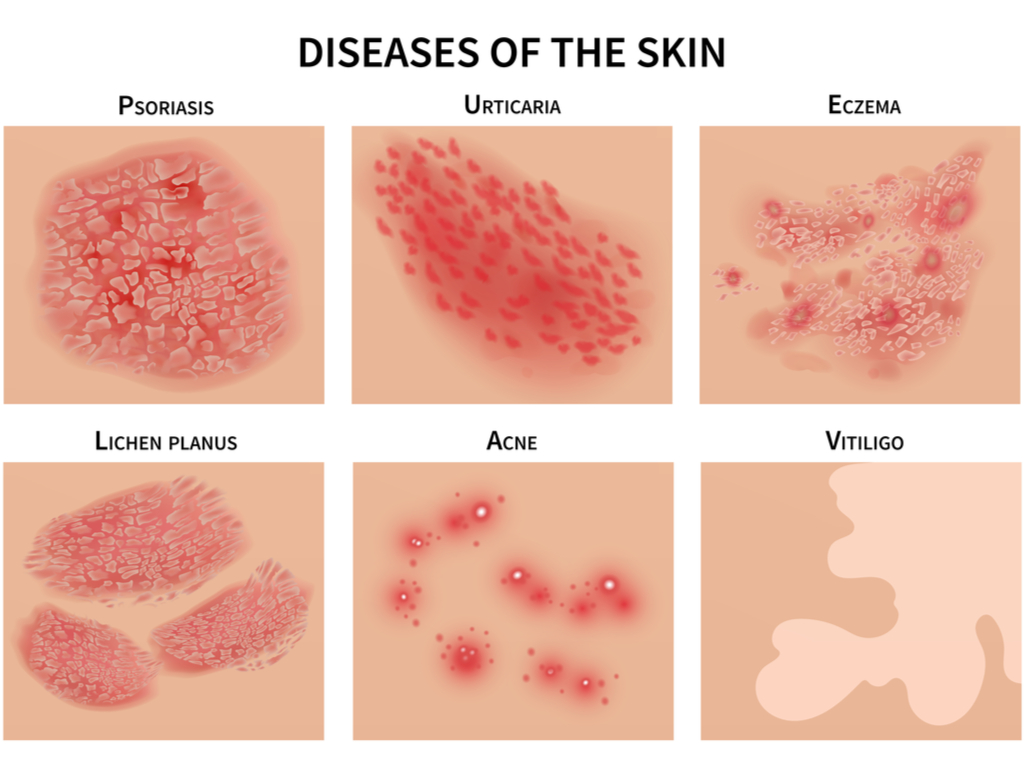
Acne affects people of all ages. It happens when pores become clogged with oil and dead skin cells, leading to comedones, papules, and pustules .

What dermatologists recommend:

For mild to moderate acne, combination topical therapy is often the first approach. This may include:

Starting slowly helps minimize irritation—apply for short periods initially and gradually increase as your skin adjusts .

For persistent cases, oral antibiotics like doxycycline may be prescribed for a limited time . The goal is to find what works for your specific skin type.


Eczema and Dry Skin

Atopic dermatitis—the most common form of eczema—involves dry, itchy, inflamed skin. People with eczema often lack certain proteins that maintain the skin barrier, making skin more easily irritated .

The foundation of eczema care is moisturizing. Emollients (moisturizers) help repair the skin barrier and reduce water loss .

Practical steps that help:

For flare-ups, topical corticosteroids can reduce inflammation when used as directed. Antihistamines may help with itching, particularly at night .


Psoriasis: What to Know

Psoriasis is an immune-mediated condition that affects about 2% of the population. It appears as well-defined red plaques with silvery scales, commonly on elbows, knees, and scalp .

Beyond skin symptoms, psoriasis is associated with other health considerations including psoriatic arthritis, so discussing any joint symptoms with a healthcare provider matters .

Treatment approaches range from topical therapies for limited areas to phototherapy or systemic medications for more extensive involvement .


Hyperpigmentation and Dark Spots

Dark spots—whether from sun exposure, hormonal changes, or past breakouts—are a common concern. These occur when melanin production becomes uneven .

Ingredients that research supports for hyperpigmentation include:

A consistent skincare routine combined with sun protection often shows gradual improvement over time .


Simple Skin Care Principles

Dermatologists emphasize that effective skincare doesn't need to be complicated. A basic routine includes:

  1. Gentle cleansing – Avoid harsh soaps that strip natural oils

  2. Moisturizing – Helps maintain skin barrier function

  3. Sun protection – UV exposure worsens many skin concerns 

Price doesn't determine effectiveness. Many affordable products contain the same active ingredients as expensive options .


When to See a Professional

While many skin concerns can be managed with consistent care, consider speaking with a dermatologist if:

Trending Now
hot | 2026-03-09 16:45:19
Understanding Common Skin Conditions: A Practical Guide
If you're searching for "skin conditions," "acne treatment," or "eczema relief," you're not alone. Millions of people deal with skin concerns and look for clear, practical information about what actually helps.

Acne: What Works

Acne affects people of all ages. It happens when pores become clogged with oil and dead skin cells, leading to comedones, papules, and pustules .

What dermatologists recommend:

For mild to moderate acne, combination topical therapy is often the first approach. This may include:

  • Topical retinoids (like adapalene or tretinoin) to normalize skin cell turnover

  • Benzoyl peroxide for its antimicrobial effects

  • Topical antibiotics to reduce inflammation

Starting slowly helps minimize irritation—apply for short periods initially and gradually increase as your skin adjusts .

For persistent cases, oral antibiotics like doxycycline may be prescribed for a limited time . The goal is to find what works for your specific skin type.


Eczema and Dry Skin

Atopic dermatitis—the most common form of eczema—involves dry, itchy, inflamed skin. People with eczema often lack certain proteins that maintain the skin barrier, making skin more easily irritated .

The foundation of eczema care is moisturizing. Emollients (moisturizers) help repair the skin barrier and reduce water loss .

Practical steps that help:

  • Use gentle cleansers instead of traditional soaps

  • Take shorter, lukewarm baths or showers

  • Apply moisturizer immediately after bathing while skin is still damp

  • Keep fingernails short to minimize damage from scratching

For flare-ups, topical corticosteroids can reduce inflammation when used as directed. Antihistamines may help with itching, particularly at night .


Psoriasis: What to Know

Psoriasis is an immune-mediated condition that affects about 2% of the population. It appears as well-defined red plaques with silvery scales, commonly on elbows, knees, and scalp .

Beyond skin symptoms, psoriasis is associated with other health considerations including psoriatic arthritis, so discussing any joint symptoms with a healthcare provider matters .

Treatment approaches range from topical therapies for limited areas to phototherapy or systemic medications for more extensive involvement .


Hyperpigmentation and Dark Spots

Dark spots—whether from sun exposure, hormonal changes, or past breakouts—are a common concern. These occur when melanin production becomes uneven .

Ingredients that research supports for hyperpigmentation include:

  • Azelaic acid

  • Tranexamic acid

  • Niacinamide

  • Retinol

A consistent skincare routine combined with sun protection often shows gradual improvement over time .


Simple Skin Care Principles

Dermatologists emphasize that effective skincare doesn't need to be complicated. A basic routine includes:

  1. Gentle cleansing – Avoid harsh soaps that strip natural oils

  2. Moisturizing – Helps maintain skin barrier function

  3. Sun protection – UV exposure worsens many skin concerns 

Price doesn't determine effectiveness. Many affordable products contain the same active ingredients as expensive options .


When to See a Professional

While many skin concerns can be managed with consistent care, consider speaking with a dermatologist if:

  • Your symptoms don't improve with over-the-counter products

  • You're unsure about your specific skin condition

  • You have signs of infection (redness, warmth, swelling, pain)

  • Skin concerns affect your sleep or daily life 

Trending Now