...Let's explore how these empty houses can become happy homes.
Bank-Owned Abandoned Homes: How These Hidden Deals Really Work
Curious about bank-owned abandoned homes? These properties can be amazing deals, but they come with questions. We'll show you what they are, how to find them, and how to spot a hidden gem versus a money pit, using simple steps anyone can follow....
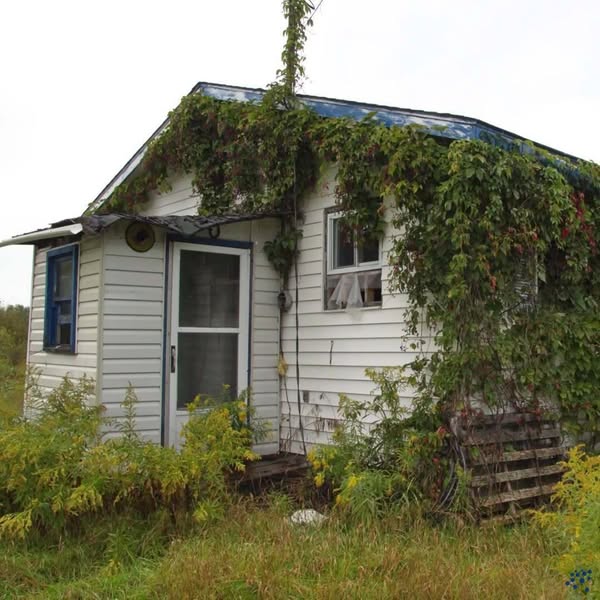
So, you clicked to get info about bank-owned abandoned homes. You're in the right place! It’s easy to feel a little nervous when you hear words like “foreclosure” or “abandoned.” Many people picture scary, falling-down houses. But the truth is, these homes can be fantastic opportunities for both first-time buyers and seasoned investors.
These properties are often sold for less than their neighbors, which sounds great. But they also need a bit more homework to make sure you’re getting a good deal. Don’t worry, this isn’t a technical manual full of confusing terms. It’s a friendly walkthrough to help you understand the process from start to finish.
We’ll cover everything you need to know in simple, cheerful language. You'll learn:
- What a bank-owned abandoned home actually is
- How to search for them online like a pro
- The smart ways to check for hidden problems
- How to decide if one of these houses is right for you
Think of this as turning an empty, forgotten house into a warm, loved home. Whether you're dreaming of your first house or looking for a smart investment, let's get started!
What Are Bank-Owned Abandoned Homes, Really?
Let's break this down. It sounds complicated, but it's really a story with a few simple steps. A bank-owned abandoned home is a house that a bank now owns because the previous owner couldn't make the mortgage payments. Because no one is living there, it has become empty or "abandoned."
It usually starts with a foreclosure. This happens when a homeowner stops paying their mortgage for a long time. The lender, which is usually a bank, then has the right to take the property back to try to get their money back. Once the bank takes it, the home is often put up for sale at a foreclosure auction.
If no one buys the house at the auction, the bank becomes the new owner. At this point, the house is called an REO property, which stands for Real Estate Owned. So, "bank-owned" and "REO" mean the same thing. The house is now on the bank's books.
Because this whole process can take months, the house often sits empty. The previous owners have moved out, and the bank hasn't sold it yet. This is when a home becomes both bank-owned and abandoned. The grass might be overgrown, and it might look a little lonely, but it's now a property the bank wants to sell.
The journey looks like this:
- A homeowner misses several mortgage payments.
- The bank starts the foreclosure process.
- The home goes to a public auction, but doesn't sell.
- The bank officially takes ownership, and the home becomes an REO property.
- The empty house waits for a new buyer.
Why Banks End Up Owning So Many Empty Houses
You might wonder why a bank would want to own a bunch of houses. The short answer is, they don't! Banks are in the business of lending money, not managing real estate. Owning a property costs them money in taxes, insurance, and upkeep. Their main goal is to sell the home as quickly as possible to recover the money they lost on the loan.
So how do they end up with so many? It happens when a foreclosed home doesn't sell at auction. This could be because the starting bid was too high or because potential buyers were worried about the home's condition. When there's no buyer, the ownership automatically goes back to the bank.
These REO homes can then sit empty for a while for several reasons:
- Repairs Needed: The house might have problems, like a leaky roof or old wiring, that scare off buyers.
- Slow Market: In some areas, houses just take longer to sell.
- Legal Delays: Sometimes there are paperwork issues that need to be cleared up before a sale can happen.
In active real estate markets, you can see this happening all the time. For example, a place like Bexar County, Texas, might have hundreds of foreclosures and bank-owned homes available at any given moment. This isn't a sign of a bad area; it's just part of how the real estate cycle works. For buyers, this flow of properties can create some great chances to find a deal.
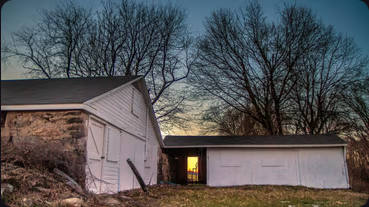
Real-Life Example: Bank-Owned Homes in San Antonio and Bexar County, TX
To make this feel more real, let's look at a place where the market for these homes is active: San Antonio and the surrounding Bexar County in Texas. Looking at local data helps you see that these aren't mythical properties; they are real homes waiting for new owners. The numbers change, but the patterns are often similar in other U.S. cities.
Here’s a snapshot of what you might find in an area like this:
| Metric | Example Data for Bexar County | What It Means |
|---|---|---|
| Number of Foreclosures | 300+ listings | There's a steady supply of these homes. |
| Median List Price | ~$265,000 | Often lower than the median for regular homes. |
| Average Days on Market | ~75 days | They sell, but may take longer than other homes. |
| Average Price per Sq. Ft. | ~$150 | A key number for comparing value. |
What do these numbers tell us? First, there are plenty of options, from small single-family homes to larger properties. Second, the lower median price suggests there's room for a good deal, especially if you're willing to do some work. The "days on market" shows that while they don't fly off the shelf, they are still desirable.
Even if you live far from Texas, you can look up similar information for your own county. Search for "foreclosure stats in [Your County]" to get a feel for your local market. You'll likely find the same kinds of opportunities.
How to Find Bank-Owned Abandoned Homes Online
Finding these homes is easier than you think! You don't have to drive around looking for overgrown lawns. Most of the searching can be done right from your computer. The key is knowing where to look and what search terms to use.
Start with popular real estate websites that get their listings from the Multiple Listing Service (MLS). On these sites, you can often use advanced search filters. Look for checkboxes or keywords like "foreclosure," "bank-owned," or "REO." You can also filter by price, number of bedrooms, and property type to narrow your results.
Here are the best places to start your search:
- MLS-powered websites: Most major real estate search portals have foreclosure filters.
- Bank REO websites: Many large banks, like Bank of America, have their own websites dedicated to selling their REO properties. You can search by city or ZIP code.
- Auction sites: Some bank-owned homes are sold through online auctions.
- Local real estate agent sites: Agents who specialize in foreclosures often feature them on their websites.
To stay ahead, set up saved searches and email alerts. This way, you'll get a notification as soon as a new bank-owned property that matches your criteria hits the market. Just remember that online information can sometimes be out of date. A home listed as available might already be under contract, so it's always good to double-check with a real estate agent.
Working With the Right Real Estate Agent and Lender
You don't have to navigate this journey alone. In fact, you shouldn't! Having the right team on your side makes buying a bank-owned home much safer and easier. The two most important people on your team will be your real estate agent and your mortgage lender.
Look for a real estate agent who has experience with REO properties. They know the special paperwork involved, understand how to negotiate with banks, and can often spot red flags you might miss. They also have access to the most complete and up-to-date listing information through their MLS tools.
Getting financing for a bank-owned home can also be a little different. If a house is in rough shape, some lenders might hesitate to approve a standard loan. That's why it's smart to talk to a lender who understands REO sales. Some even offer special renovation loans that bundle the purchase price and repair costs into one mortgage. You can often start the process online by getting prequalified to see what you can afford.
Before you commit, ask your agent and lender these questions:
- How many REO or foreclosure deals have you handled?
- What are the common challenges with these types of sales?
- Can you recommend good inspectors and contractors?
- What's a realistic timeline for closing on a bank-owned property?
Smart Safety Checks: Condition, Liens, and Hidden Costs
The biggest fear with an abandoned home is buying a money pit. The lower price is only a good deal if you know what you're getting into. That's where safety checks come in. These steps help you uncover any expensive surprises before you sign the paperwork.
First and foremost, get a professional home inspection. This is non-negotiable. An inspector will check the home's structure, roof, plumbing, and electrical systems. Since abandoned homes may have hidden damage from neglect or weather, this report is your best tool for understanding the true condition of the property.
Next, you need a title search. This is a legal check to make sure the property is free of claims. Sometimes, previous owners leave behind unpaid property taxes or other debts, known as liens. A title search finds these so they can be cleared up before you buy. Otherwise, you could be responsible for paying them!
Finally, think about repair costs. After the inspection, get estimates from a few contractors for any needed work. Always add a cushion of 15-20% to your repair budget for unexpected issues that pop up. A house that’s been empty for a while can hold a few secrets.
Your key safety checklist includes:
- A thorough professional home inspection.
- A title search to check for liens and back taxes.
- Realistic repair estimates from qualified contractors.
- A check with the city or county for any code violations.
Financing and Budgeting for a Bank-Owned Fixer-Upper
Okay, you've found a promising property and done your safety checks. Now, how do you pay for it? The good news is, you have options. You don't always need a suitcase full of cash, but you do need a solid financial plan.
The right financing depends on the home's condition and your financial situation. Here’s a quick look at the common choices:
| Financing Option | How It Works | Best For... |
|---|---|---|
| Traditional Mortgage | A standard home loan. | Homes in decent shape that meet lender standards. |
| Renovation Loan | A loan covering the purchase price plus repair costs. | Fixer-uppers that need significant work. |
| Cash Offer | Paying for the home outright without a loan. | Buyers who want a competitive edge and a fast close. |
| Bank Financing | The bank selling the REO may offer its own loan. | Can sometimes offer good terms, but read the fine print. |
Building a realistic budget is key. Your total cost isn't just the purchase price. Remember to include closing costs, inspection fees, immediate repair costs, and a healthy emergency fund. Online tools like monthly payment calculators and affordability calculators can help you figure out what fits comfortably in your budget.
Talk to different lenders and compare their offers. Ask them to explain everything in simple terms until you feel confident. A good lender will act as a guide, helping you find the best path to turn that empty, bank-owned house into your new home.
Disclaimer: The prices mentioned in this article are based on publicly available data and reflect the prices as of [Feb 6, 2026]. Prices are subject to change without notice. This information is provided for general informational purposes only. No rights may be derived from it, and we disclaim all liability for any actions or decisions based on this content.
Trending Now