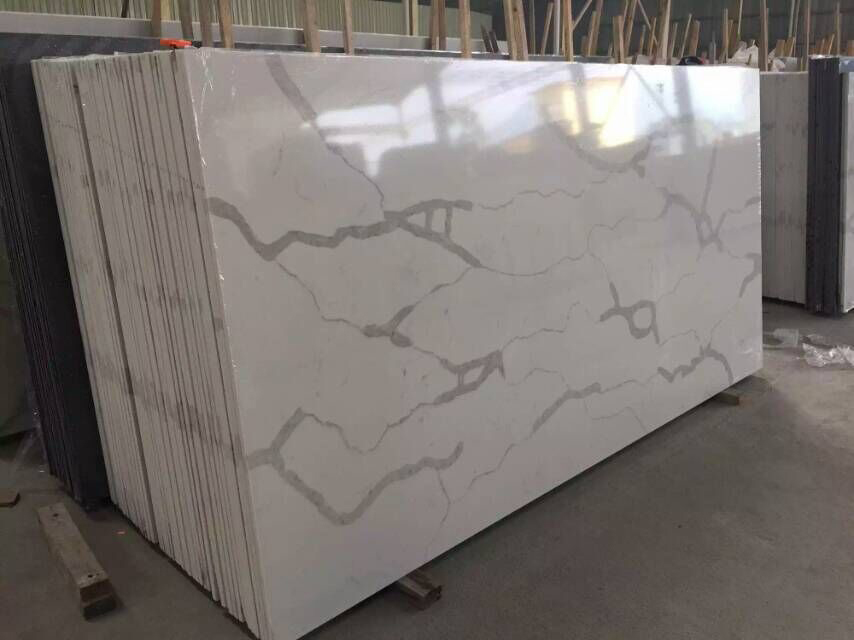
Why Engineered Stone is Dominating 2026 Interior Design
Unlike natural marble, which is porous and prone to staining, engineered stone—specifically quartz countertops—provides a non-porous surface that is highly resistant to bacteria, scratches, and heat. In 2026, the focus has shifted toward "Eco-friendly Slabs," utilizing recycled minerals and resin-free binders to meet new environmental standards in the United States.
Sintered Stone vs. Quartz: Choosing the Right Slab
A major breakthrough in 2026 is the widespread adoption of sintered stone. While quartz is ideal for indoor kitchen surfaces, sintered stone (made through extreme heat and pressure) is UV-resistant and weather-proof, making it the perfect material for outdoor kitchens and exterior wall cladding. Understanding these material differences is essential for homeowners looking to maximize their investment.
Standard Sizes and Seamless Applications
To achieve the "seamless look" popular in luxury homes, large format slabs (typically 3200x1600mm) are now the industry standard. These oversized panels reduce grout lines, creating a continuous flow on waterfall islands, bathroom vanities, and even floor-to-ceiling fireplace surrounds.
Investing in Quality: Cost vs. Long-term Value
While the initial cost of premium artificial stone may be higher than laminate or tile, the long-term ROI (Return on Investment) is unparalleled. Its durability eliminates the need for periodic sealing, and its impact on property value makes it a favorite among real estate developers and top-tier interior designers.
Disclaimer
The information provided in this article is for educational and informational purposes only. While artificial stone is known for its durability, specific performance (such as heat and scratch resistance) may vary depending on the manufacturer and installation quality. We do not endorse any specific brand. Always consult with a licensed contractor or stone specialist before making a purchase or beginning an installation project.