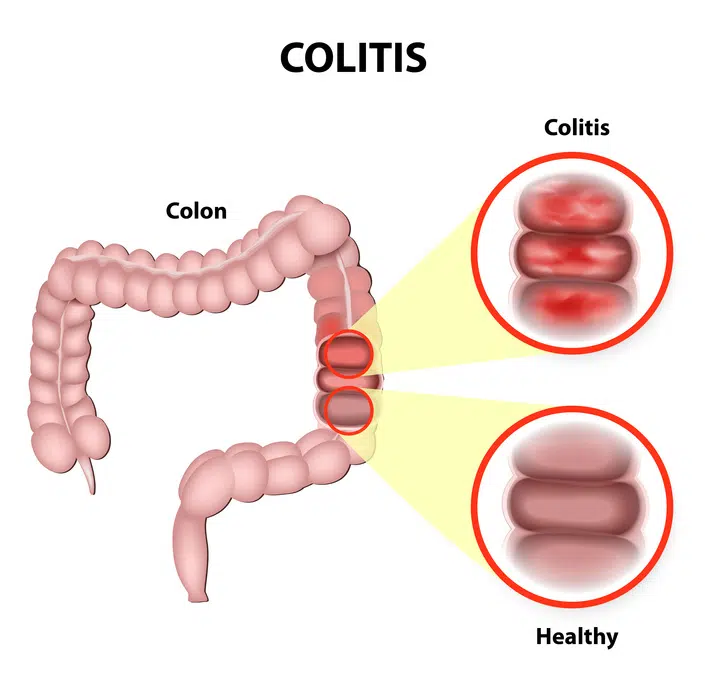
Understanding Ulcerative Colitis
Ulcerative colitis is a chronic inflammatory bowel disease (IBD) that affects the lining of the large intestine (colon) and rectum. It causes long-lasting inflammation and ulcers, leading to symptoms like persistent diarrhea, abdominal pain, rectal bleeding, fatigue, and weight loss. For many people, managing this condition can be a daily challenge, as traditional treatments may not always provide adequate relief or may come with unwanted side effects. This is why the search for new, more effective treatments has become a top priority for patients and healthcare providers alike.
Are There New Drugs to Treat Ulcerative Colitis?
The short answer is yes. In recent years, the field of IBD treatment has seen significant advancements, with several new drugs approved for ulcerative colitis. These medications target specific pathways in the immune system that contribute to inflammation, offering more personalized and effective options for patients. Unlike older treatments that may suppress the entire immune system, many of these new drugs are designed to target only the specific cells or molecules responsible for the inflammation, reducing the risk of side effects.
Exploring the Latest Ulcerative Colitis Treatments
The latest treatments for ulcerative colitis fall into several categories, including biologic therapies, small molecule drugs, and targeted synthetic immunomodulators. Biologics are medications made from living cells that target specific proteins in the immune system. They are administered via injection or infusion and have been shown to be highly effective in inducing and maintaining remission in many patients. Small molecule drugs, on the other hand, are oral medications that work by blocking specific enzymes or pathways involved in inflammation. They are often more convenient for patients to take and may have a faster onset of action than biologics.
New Ulcerative Colitis Drugs: What You Need to Know
Several new ulcerative colitis drugs have been approved in recent years, each with its own unique mechanism of action and benefits. Some of the most notable new drugs include:
- Upadacitinib: An oral JAK inhibitor that works by blocking the activity of Janus kinases, a group of enzymes that play a key role in inflammation. It has been shown to be effective in inducing and maintaining remission in patients with moderate to severe ulcerative colitis.
- Risankizumab: A biologic therapy that targets the interleukin-23 (IL-23) pathway, a key driver of inflammation in ulcerative colitis. It is administered via injection and has been shown to be highly effective in inducing and maintaining remission in patients with moderate to severe disease.
- Ozanimod: An oral sphingosine 1-phosphate (S1P) receptor modulator that works by reducing the number of immune cells in the bloodstream and preventing them from entering the gut. It has been shown to be effective in inducing and maintaining remission in patients with moderate to severe ulcerative colitis.
Which 3 New Drugs Beat Ulcerative Colitis?
While all of the new ulcerative colitis drugs mentioned above have been shown to be effective in clinical trials, some may be more suitable for certain patients than others. The choice of treatment will depend on several factors, including the severity of the disease, the patient's medical history, and their individual preferences. That being said, upadacitinib, risankizumab, and ozanimod are three of the most promising new drugs for ulcerative colitis, offering significant benefits over traditional treatments.
Upadacitinib is an oral medication that is taken once daily, making it a convenient option for many patients. It has been shown to be effective in inducing remission in as little as two weeks and maintaining remission for up to one year. Risankizumab is a biologic therapy that is administered via injection every eight weeks after an initial loading dose. It has been shown to be highly effective in inducing and maintaining remission in patients with moderate to severe ulcerative colitis, even in those who have not responded to other treatments. Ozanimod is an oral medication that is taken once daily and has been shown to be effective in inducing and maintaining remission in patients with moderate to severe ulcerative colitis. It also has the added benefit of being able to treat other autoimmune diseases, such as multiple sclerosis.
Next Steps for Patients
If you are living with ulcerative colitis and are interested in learning more about the latest treatments, it is important to talk to your healthcare provider. They can help you determine which treatment is right for you based on your individual needs and medical history. In addition to medication, there are several other lifestyle changes that can help manage the symptoms of ulcerative colitis, including eating a healthy diet, getting regular exercise, managing stress, and avoiding trigger foods and beverages.