What to know about Russian full body massage services
Curious about Russian full body massage? This guide explains its roots, the techniques you’ll experience, documented benefits and safety considerations, plus practical tips for finding a licensed therapist in the United States.

Russian full body massage has become a phrase people use when they mean a firm, rhythmic therapeutic massage influenced by Eastern European techniques. If you live in the United States and are exploring massage options, it helps to know what the term commonly implies, how it differs from Swedish or deep-tissue work, and what to expect during a session.

This piece walks through the origins and key techniques associated with Russian-style full body massage, outlines potential health benefits supported by contemporary research, and gives practical guidance on safety, etiquette, legal considerations, and choosing a qualified practitioner. It’s written for curious readers who want clear, reliable information before booking time on a treatment table.

What is Russian full body massage?

The phrase usually describes a massage approach combining firm, methodical strokes, joint mobilizations, and focused work on deeper muscle layers. It draws from a mix of Eastern European physiotherapeutic traditions and contemporary manual therapy practices rather than a single codified school. Practitioners emphasize circulation, muscle tone, and functional movement.

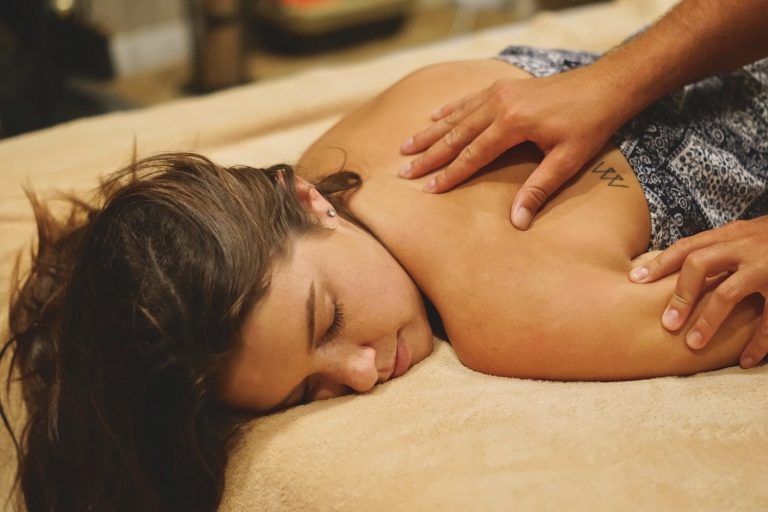
Sessions labeled “Russian” often use pressing, rolling, and kneading motions with purpose-built rhythm and intensity. Therapists may integrate techniques such as effleurage (long strokes), petrissage (kneading), friction for adhesions, and passive range-of-motion work at joints. Compared with a classic Swedish massage, expect firmer pressure and more structured sequences designed to address muscle stiffness, performance recovery, and postural issues.

Health benefits and what the evidence says

Massage therapy in general has a growing body of research supporting benefits for muscular pain, stress reduction, improved circulation, and short-term anxiety relief. Many elements often used in Russian-style sessions—deep strokes, mobilization, and rhythmic compression—have been studied individually and shown to reduce soreness after exercise, improve perceived relaxation, and increase local blood flow.

That said, scientific literature does not always label techniques by nationality, so “Russian massage” itself is less likely to appear as a controlled term in studies. Evaluate claims about benefits by looking at specific techniques and outcomes: reduced low-back pain, faster recovery from delayed-onset muscle soreness, and transient improvements in range of motion are better supported than broad promises of curing chronic disease.

What to expect during a session

A typical Russian full body massage session lasts 60 to 90 minutes. You’ll usually begin with a short intake where the therapist asks about medical history, pain areas, and goals. The practitioner will explain the plan and ask about pressure preferences. Sessions commonly move systematically through the body: back and shoulders, legs, arms, neck, and sometimes the face and scalp.

Techniques can be firmer than a light relaxation massage. You may experience deep kneading, rhythmic compressions, and joint mobilizations. Communicate discomfort immediately; productive pain (pressure that creates relief afterward) differs from sharp or radiating pain that could indicate aggravation. Therapists may recommend post-session self-care like hydration, gentle stretching, or heat/cold application depending on your response.

Common additions in the U.S. market include combined modalities—such as cupping, myofascial release, or light instrument-assisted soft-tissue work—when appropriate. Always confirm beforehand which modalities will be used and whether they are included in the session fee.

How to choose a qualified therapist

Look for licensed and credentialed practitioners. In the United States, massage therapists must meet state licensing requirements, which typically involve completing an accredited training program and passing an exam. Licensing ensures minimum standards for hygiene, scope of practice, and client safety. Verify credentials on state licensing board websites when possible.

Beyond licensing, consider these factors when choosing a therapist: - Experience with therapeutic or sports massage techniques - Willingness to discuss methods and adapt pressure - Clear communication and professional boundaries - Reviews or word-of-mouth from clients with similar needs - Availability of a secure, sanitary treatment space

Safety, legal considerations, and costs

Safety starts with openness. Share medical conditions such as blood clotting disorders, recent surgeries, cancer, pregnancy, or cardiovascular issues. Certain techniques should be modified or avoided in these cases. If in doubt, consult a primary care provider or a licensed physical therapist before booking a deep or intensive session.

Legal and ethical standards vary by state. Licensed therapists must adhere to scope-of-practice rules; anything sexual or beyond therapeutic boundaries is prohibited. If a practitioner proposes services that feel inappropriate or asks you to engage in anything outside a standard therapeutic frame, leave and report the incident to the state licensing board.

Price ranges reflect location, reputation, and therapist qualifications. In many U.S. cities, a 60-minute therapeutic full body session runs from modest to premium rates depending on the clinic or spa. Athletic or medical massage by highly trained clinicians and integrated services can cost more. Confirm what's included—time on the table, consultation, and additional techniques—and ask about cancellation policies upfront.

Looking ahead

Interest in varied massage approaches continues to grow as people seek practical ways to manage stress, recover from activity, and maintain physical function. As practitioners blend traditional manual techniques with evidence-based rehabilitation, expect more clearly labeled services and targeted offerings that match specific goals—such as postural programs, recovery for weekend athletes, or combined massage-and-physical-therapy plans.

When exploring Russian full body massage or any therapeutic option, the best outcomes come from informed choices and clear communication. Bring questions about training, technique, and expected sensations to your first visit. That conversation sets the tone for a safe, effective session and helps you integrate massage into a broader, sustainable approach to health and movement.

Trending Now
hot | 2026-03-19 18:37:25
What to know about Russian full body massage services
Curious about Russian full body massage? This guide explains its roots, the techniques you’ll experience, documented benefits and safety considerations, plus practical tips for finding a licensed therapist in the United States.

Russian full body massage has become a phrase people use when they mean a firm, rhythmic therapeutic massage influenced by Eastern European techniques. If you live in the United States and are exploring massage options, it helps to know what the term commonly implies, how it differs from Swedish or deep-tissue work, and what to expect during a session.

This piece walks through the origins and key techniques associated with Russian-style full body massage, outlines potential health benefits supported by contemporary research, and gives practical guidance on safety, etiquette, legal considerations, and choosing a qualified practitioner. It’s written for curious readers who want clear, reliable information before booking time on a treatment table.

What is Russian full body massage?

The phrase usually describes a massage approach combining firm, methodical strokes, joint mobilizations, and focused work on deeper muscle layers. It draws from a mix of Eastern European physiotherapeutic traditions and contemporary manual therapy practices rather than a single codified school. Practitioners emphasize circulation, muscle tone, and functional movement.

Sessions labeled “Russian” often use pressing, rolling, and kneading motions with purpose-built rhythm and intensity. Therapists may integrate techniques such as effleurage (long strokes), petrissage (kneading), friction for adhesions, and passive range-of-motion work at joints. Compared with a classic Swedish massage, expect firmer pressure and more structured sequences designed to address muscle stiffness, performance recovery, and postural issues.

Health benefits and what the evidence says

Massage therapy in general has a growing body of research supporting benefits for muscular pain, stress reduction, improved circulation, and short-term anxiety relief. Many elements often used in Russian-style sessions—deep strokes, mobilization, and rhythmic compression—have been studied individually and shown to reduce soreness after exercise, improve perceived relaxation, and increase local blood flow.

That said, scientific literature does not always label techniques by nationality, so “Russian massage” itself is less likely to appear as a controlled term in studies. Evaluate claims about benefits by looking at specific techniques and outcomes: reduced low-back pain, faster recovery from delayed-onset muscle soreness, and transient improvements in range of motion are better supported than broad promises of curing chronic disease.

What to expect during a session

A typical Russian full body massage session lasts 60 to 90 minutes. You’ll usually begin with a short intake where the therapist asks about medical history, pain areas, and goals. The practitioner will explain the plan and ask about pressure preferences. Sessions commonly move systematically through the body: back and shoulders, legs, arms, neck, and sometimes the face and scalp.

Techniques can be firmer than a light relaxation massage. You may experience deep kneading, rhythmic compressions, and joint mobilizations. Communicate discomfort immediately; productive pain (pressure that creates relief afterward) differs from sharp or radiating pain that could indicate aggravation. Therapists may recommend post-session self-care like hydration, gentle stretching, or heat/cold application depending on your response.

Common additions in the U.S. market include combined modalities—such as cupping, myofascial release, or light instrument-assisted soft-tissue work—when appropriate. Always confirm beforehand which modalities will be used and whether they are included in the session fee.

How to choose a qualified therapist

Look for licensed and credentialed practitioners. In the United States, massage therapists must meet state licensing requirements, which typically involve completing an accredited training program and passing an exam. Licensing ensures minimum standards for hygiene, scope of practice, and client safety. Verify credentials on state licensing board websites when possible.

Beyond licensing, consider these factors when choosing a therapist: - Experience with therapeutic or sports massage techniques - Willingness to discuss methods and adapt pressure - Clear communication and professional boundaries - Reviews or word-of-mouth from clients with similar needs - Availability of a secure, sanitary treatment space

Safety, legal considerations, and costs

Safety starts with openness. Share medical conditions such as blood clotting disorders, recent surgeries, cancer, pregnancy, or cardiovascular issues. Certain techniques should be modified or avoided in these cases. If in doubt, consult a primary care provider or a licensed physical therapist before booking a deep or intensive session.

Legal and ethical standards vary by state. Licensed therapists must adhere to scope-of-practice rules; anything sexual or beyond therapeutic boundaries is prohibited. If a practitioner proposes services that feel inappropriate or asks you to engage in anything outside a standard therapeutic frame, leave and report the incident to the state licensing board.

Price ranges reflect location, reputation, and therapist qualifications. In many U.S. cities, a 60-minute therapeutic full body session runs from modest to premium rates depending on the clinic or spa. Athletic or medical massage by highly trained clinicians and integrated services can cost more. Confirm what's included—time on the table, consultation, and additional techniques—and ask about cancellation policies upfront.

Looking ahead

Interest in varied massage approaches continues to grow as people seek practical ways to manage stress, recover from activity, and maintain physical function. As practitioners blend traditional manual techniques with evidence-based rehabilitation, expect more clearly labeled services and targeted offerings that match specific goals—such as postural programs, recovery for weekend athletes, or combined massage-and-physical-therapy plans.

When exploring Russian full body massage or any therapeutic option, the best outcomes come from informed choices and clear communication. Bring questions about training, technique, and expected sensations to your first visit. That conversation sets the tone for a safe, effective session and helps you integrate massage into a broader, sustainable approach to health and movement.

Trending Now