Demystifying Recliner Types: Find Your Perfect Match
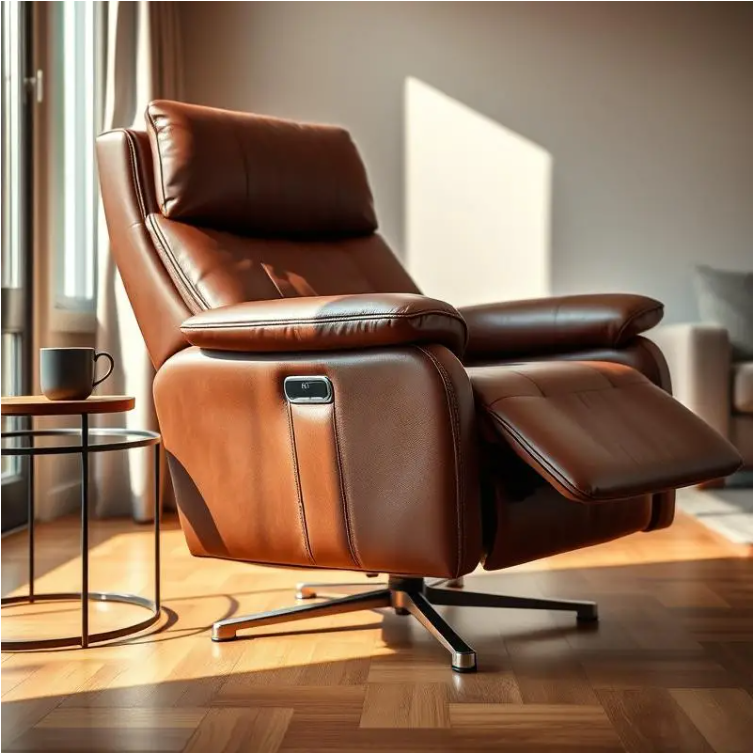
Recliners come in far more varieties than the classic living room staple you might picture. Understanding these types is the first step to narrowing down your choice. Wall-hugger recliners are ideal for small spaces, as they only need a few inches of clearance from the wall to fully recline, making them perfect for apartments or cozy family rooms. Rocker recliners combine the comfort of a rocking chair with reclining functionality, great for soothing fussy babies or unwinding with a book after a long day. Lift recliners feature a motorized lift mechanism that gently tilts the chair forward to help users stand up with ease, a top choice for seniors or anyone with mobility challenges. Power recliners let you adjust your position at the touch of a button, offering precise control over your comfort level, while manual recliners rely on a lever or pull handle for adjustments and are often more budget-friendly.
Key Features to Prioritize for Your Comfort
Once you’ve settled on a recliner type, it’s time to dive into the key features that will make your chair truly work for you. First, consider the padding: high-density foam provides long-lasting support, while memory foam conforms to your body shape for personalized comfort. Lumbar support is non-negotiable for anyone with back pain, so look for recliners with built-in lumbar cushions or adjustable lumbar settings. Some recliners also come with additional features like built-in cup holders, side pockets for remotes or magazines, and even heating or massage functions for a spa-like experience at home. Don’t overlook the upholstery either—leather is durable and easy to clean, while fabric offers a softer feel and a wider range of colors and patterns to match your decor.
Measuring for a Recliner That Fits Your Space
One of the biggest mistakes people make when buying a recliner is failing to measure their space properly, leading to a chair that either crowds the room or doesn’t fully recline. Start by measuring the width of the area where you plan to place the recliner, ensuring there’s at least 12 inches of clearance on either side for easy movement. Next, measure the depth of the space, including the distance from the wall to the front of the intended placement. For wall-hugger recliners, you’ll need at least 3 inches of wall clearance, while standard recliners require 18 to 24 inches to fully extend. Don’t forget to measure the height of the ceiling if you’re placing the recliner in a room with low ceilings, as some recliners can sit quite tall when fully extended. Finally, measure the doorways and hallways leading to the room to make sure the recliner can fit through during delivery.
Ensuring a Perfect Fit for Your Body
A recliner that looks great in your space won’t do you any good if it doesn’t fit your body properly. Start by considering your height: taller people will need a recliner with a longer seat depth and higher backrest to support their entire body, while shorter people may prefer a shallower seat to keep their feet flat on the floor. When testing a recliner, sit in the upright position and check that your feet touch the floor and your knees are bent at a 90-degree angle. Your back should be fully supported by the backrest, with no gaps between your lower back and the chair. If you plan to use the recliner for napping or watching movies, test the fully reclined position to ensure your head and neck are supported and your legs are elevated comfortably. For people with wider frames, look for recliners with a wider seat width to avoid feeling cramped.
Simplifying Recliner Setup and Installation
Setting up your new recliner doesn’t have to be a stressful process. Most recliners come partially assembled, with only a few steps needed to get them ready for use. Start by unpacking the chair carefully, making sure to remove all packaging materials to avoid any tripping hazards. For manual recliners, you may need to attach the footrest to the main chair body using the included screws and tools. Power recliners will require you to plug the power cord into a nearby electrical outlet, so make sure there’s a working outlet within reach. Lift recliners may require additional setup for the lift mechanism, so be sure to follow the manufacturer’s instructions closely. If you’re unsure about any step of the installation process, don’t hesitate to contact the manufacturer’s customer support for assistance. Once your recliner is set up, take a few minutes to test all the functions to ensure everything is working properly, from the reclining mechanism to any additional features like heating or massage.
Putting It All Together: Your Step-by-Step Recliner Buying Guide
Now that you understand the different types of recliners, key features to look for, how to measure your space, and how to ensure a proper body fit, it’s time to put all this information together into a step-by-step buying process. First, assess your needs: do you need a recliner for small spaces, mobility support, or just everyday comfort? Next, set a budget and narrow down your options to recliners that fit within your price range. Then, measure your space carefully to ensure the recliner will fit properly. Once you’ve found a few recliners that meet your needs and fit your space, test them in person if possible to ensure they fit your body and offer the comfort you’re looking for. Finally, review the manufacturer’s warranty and return policy before making your purchase to ensure you’re protected if anything goes wrong. By following these steps, you’ll be able to choose a recliner that fits your body, your space, and your comfort needs perfectly, with no more guesswork or compromises.